
Myth-Busting: Common Misconceptions About Educational Services in Qatar
Understanding the Educational Landscape in Qatar
Qatar's educational services have gained significant attention in recent years, but several misconceptions still persist. These myths can cloud the perception of the Qatari education system, which is both diverse and innovative. Let's delve into these misconceptions and uncover the truth.

Myth: Education in Qatar Is Limited to Traditional Methods
Many believe that education in Qatar relies solely on traditional teaching methods. However, this is far from reality. Qatari schools and universities are embracing modern pedagogical techniques, integrating technology, and promoting critical thinking.
Interactive learning, use of digital tools, and project-based assessments are increasingly common. These methods prepare students for the global workforce by fostering creativity and problem-solving skills.

Myth: English Is Rarely Used in Qatari Schools
Another common misconception is that English is rarely used in the educational system. In truth, English is widely incorporated, especially in international schools and higher education institutions. Many subjects are taught in English, providing students with bilingual proficiency.
Furthermore, the emphasis on English language learning ensures that students are well-prepared for international collaborations and further studies abroad.
Myth: Quality Education Is Only Available in Urban Areas
It's often assumed that quality education is limited to Qatar’s urban centers. However, the government has invested significantly in expanding educational facilities across the country. Many rural areas now have access to quality schools with modern amenities.
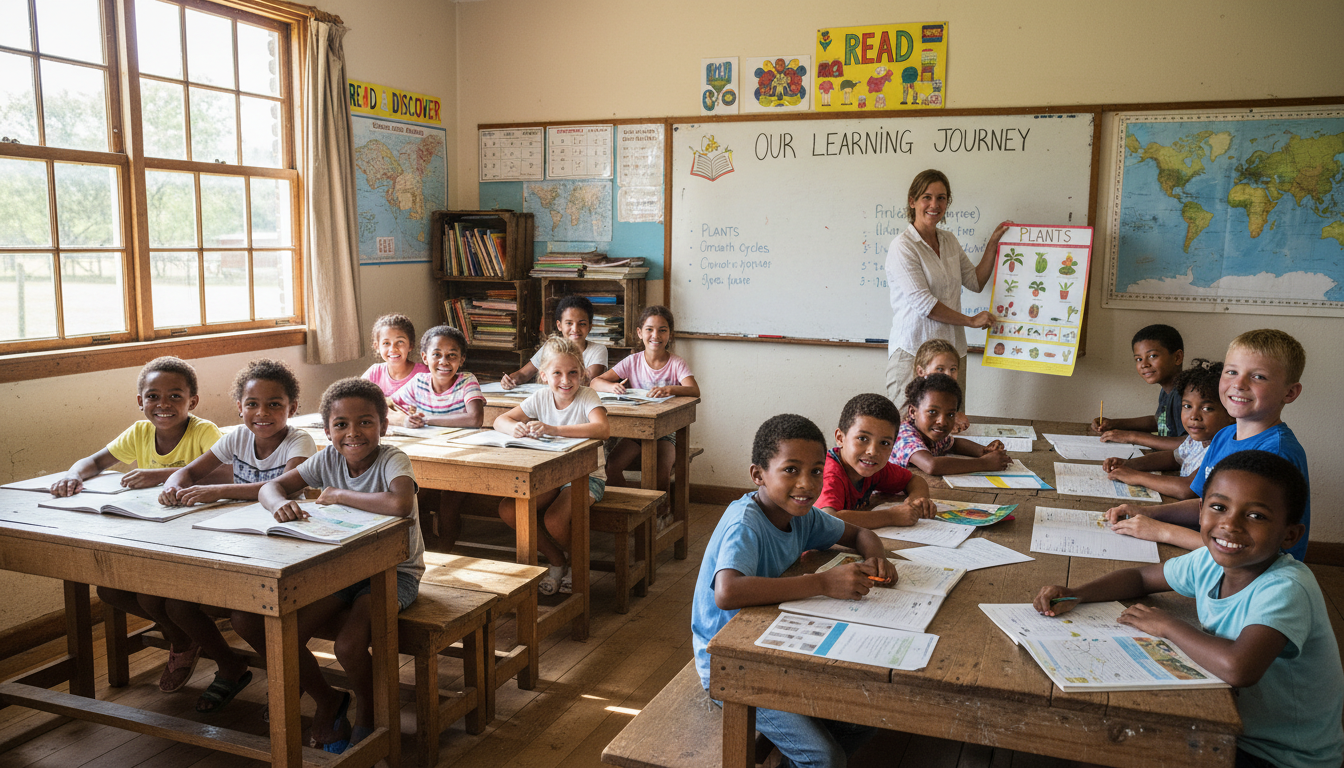
The goal is to ensure that every child, regardless of location, receives a high standard of education, aligning with Qatar's vision for a knowledge-based economy.
Myth: Private Schools Are the Only Good Option
While private schools in Qatar are known for their quality, public schools also offer excellent education. The Ministry of Education continually reforms and updates curricula to meet international standards.
Public schools provide a strong foundation, often with specialized programs tailored to different interests, ensuring students have a well-rounded education.

By debunking these myths, we can better appreciate the dynamic and evolving educational landscape in Qatar. The focus on innovation, inclusivity, and quality education is paving the way for a brighter future for all students in the country.